










Daily Massage Chair Benefits: Relaxation & Comfort
Benefits of Using a Massage Chair Daily
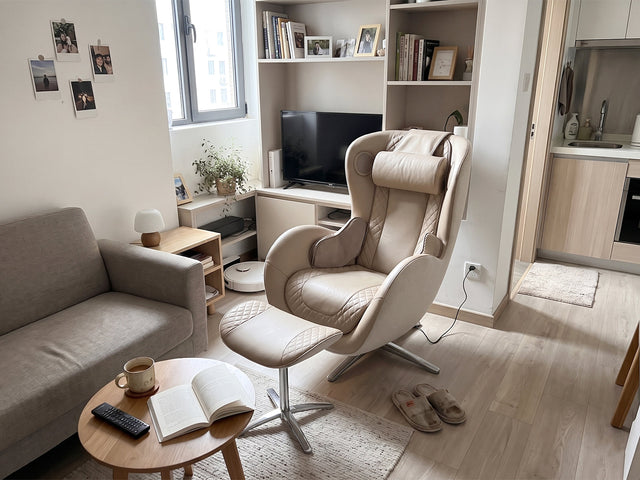
A daily massage chair routine can make relaxation easier to fit into a busy schedule. Instead of waiting for an appointment or pushing through stiffness at your desk, you can use a Massage chair at home or in the office to unwind, reset, and support everyday comfort. The biggest benefit is consistency: a few intentional minutes each day can help you build a practical wellness habit around rest, posture awareness, and stress relief.
What happens when you use a massage chair every day?
Using a massage chair daily gives your body a predictable opportunity to relax, loosen tight areas, and recover from repetitive strain. The experience is not a replacement for medical care or hands-on treatment when you need it, but it can be a useful self-care tool for people who spend long hours sitting, standing, commuting, or working at a computer.
Daily use also helps you pay attention to your body. You may start noticing when your shoulders creep upward, when your lower back feels compressed, or when your neck gets tight after screen time. That awareness can encourage better habits outside the chair, including stretching, taking movement breaks, and improving your workspace setup.
Daily relaxation becomes easier to maintain
One of the most practical benefits of an electric massage chair is convenience. Traditional massage requires booking, travel, and a dedicated time slot. A chair is available when you are, which makes it easier to use for short sessions before work, after exercise, during a lunch break, or at the end of the day.
That convenience matters because wellness routines often fail when they feel complicated. If relaxation is only possible when your calendar is perfect, it becomes occasional rather than consistent. A massage chair lowers the barrier by turning recovery into something you can do while listening to music, reading, meditating, or simply taking a quiet pause.
For many people, the daily ritual is just as valuable as the massage itself. Sitting down, putting the phone away, and allowing your body to settle can create a clear boundary between stress and recovery. Over time, that small routine can become a signal that the workday is over or that it is time to slow down.
Everyday muscle comfort and tension relief
Modern life creates predictable tension patterns. Desk work can tighten the shoulders and neck. Long drives can fatigue the lower back and hips. Standing all day can make the legs feel heavy. A massage chair can help address these common discomfort zones by applying pressure, rolling, kneading, vibration, or other programmed movements depending on the model.
The benefit is not only about feeling good in the moment. Gentle, regular massage may help muscles relax after repeated use, especially when paired with hydration, movement, and healthy posture habits. If you often wait until discomfort becomes distracting, a daily chair session can act as a proactive reset rather than an emergency fix.
A simple approach is to match the session to your day:
- After desk work: Choose a neck, shoulder, or full-back program to release upper-body tension.
- After commuting: Focus on the lower back and hips, especially if you sit for long periods.
- After workouts: Use a gentle recovery setting rather than an intense program.
- Before bed: Select a slower, lighter massage to help your body transition into rest.
- During work breaks: Keep sessions short so you feel refreshed, not sleepy.
The best massage chair routine is the one you will actually keep. Start gently, notice how your body responds, and avoid treating intensity as the goal. Comfort, consistency, and good positioning matter more than using the strongest setting.
Better posture awareness starts with your body
A massage chair will not automatically fix posture, but it can make you more aware of how your body feels when it is supported. When you sit in a well-designed chair, you may notice areas that usually hold tension: a rounded upper back, tight hip flexors, stiff neck muscles, or uneven pressure through the lower spine.
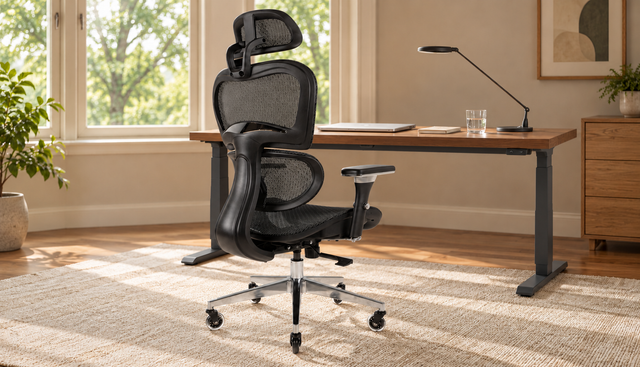
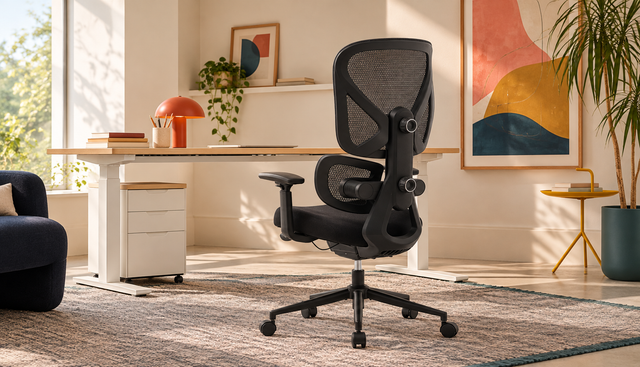
That awareness can carry into your daily environment. If your shoulders feel better after a session, you may become more motivated to adjust your monitor height, improve your desk chair, or take more standing breaks. A massage chair works best as part of a broader comfort strategy, not as the only solution.
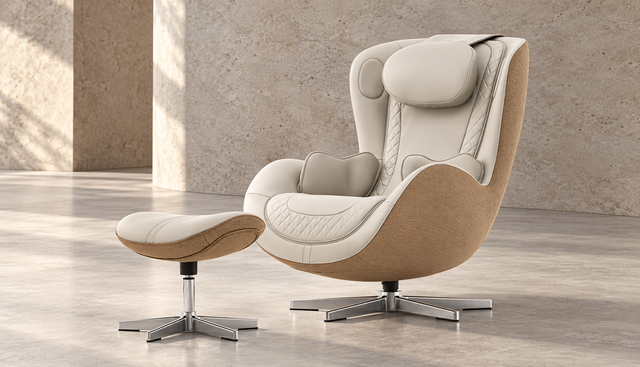
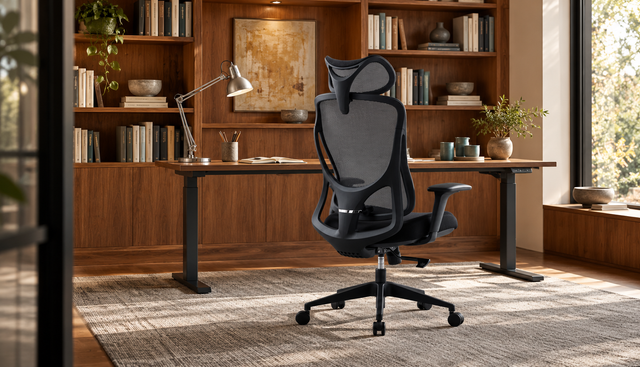
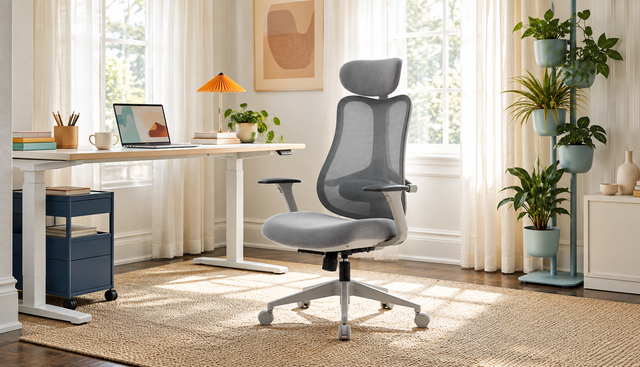
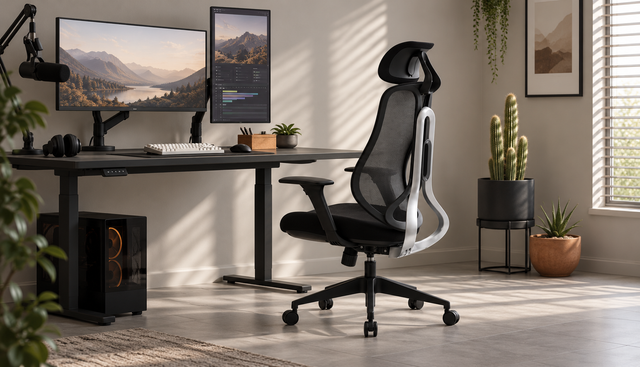
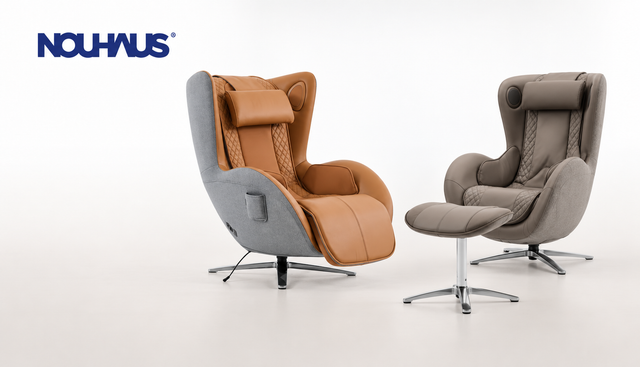
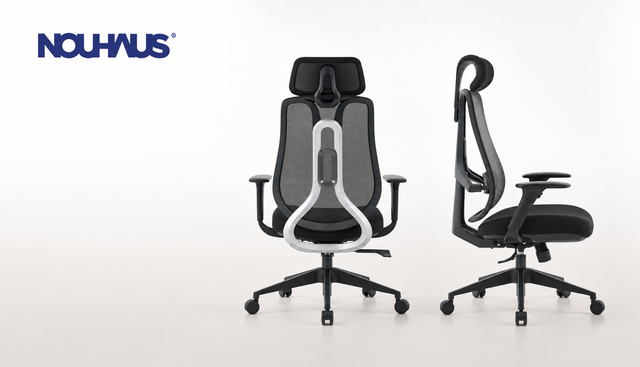
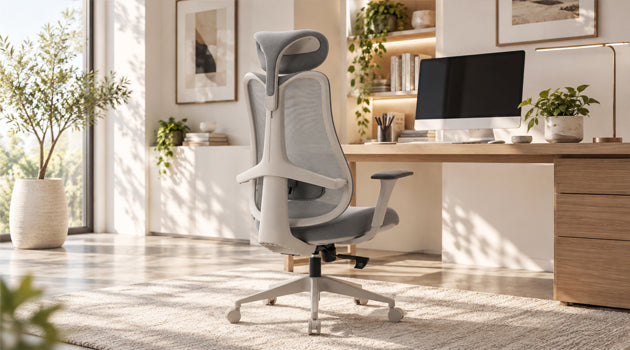
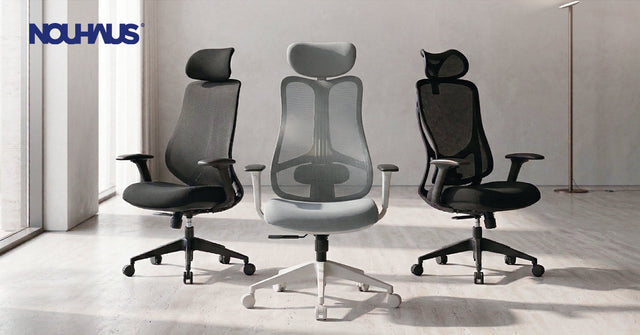
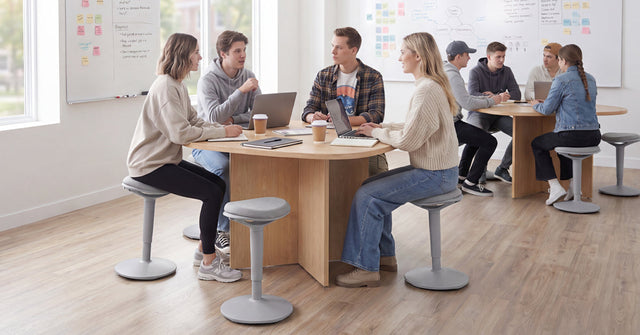
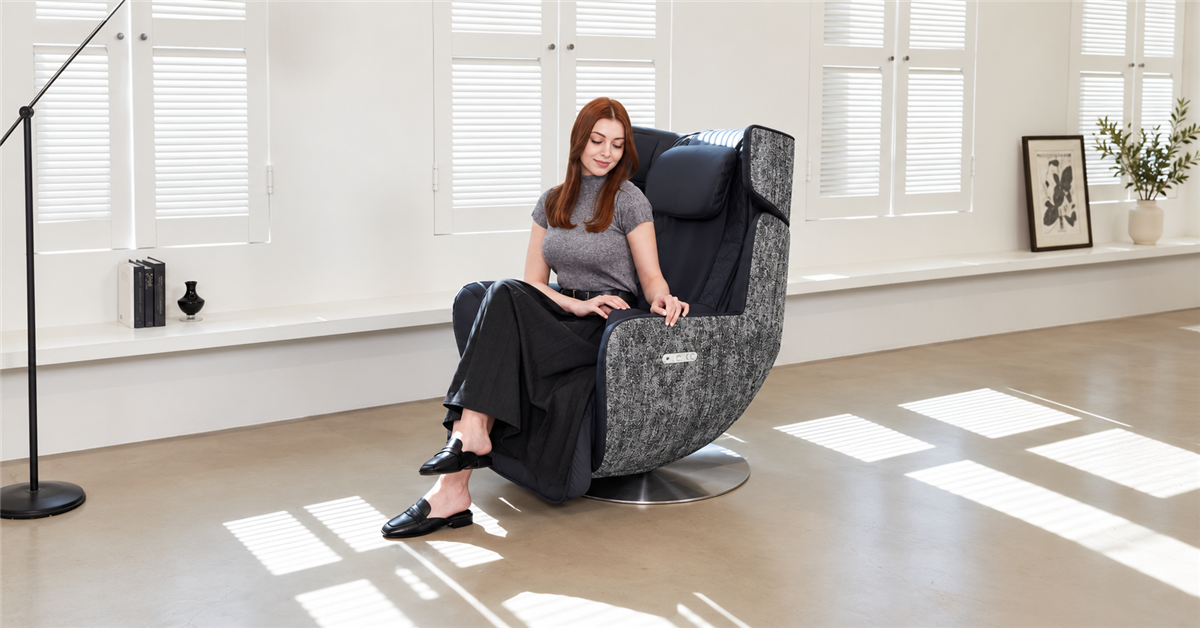
This is especially relevant for people comparing wellness seating and office furniture. A product like the chill chair smart massage office chair may appeal to users who want comfort, function, and massage features in a work-friendly format. Likewise, shoppers exploring brands such as Nouhaus may be thinking beyond relaxation alone and looking for seating that supports both productivity and downtime.
Can a massage chair help with stress after work?
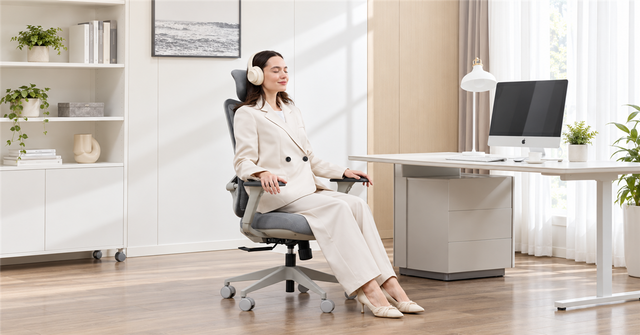
Yes, a massage chair can help many people decompress after work by creating a calm, repeatable transition from mental effort to physical relaxation. The combination of quiet time, comfortable support, and rhythmic massage can make it easier to step away from emails, meetings, errands, and screen fatigue.
Stress often shows up physically. Your jaw tightens, your shoulders lift, your breathing becomes shallow, and your back muscles brace without you realizing it. A short daily session gives you permission to release that tension. Even if your schedule is still busy, the habit can create a dependable pause where your body is not expected to perform, respond, or rush.
For the best experience, treat the session as real downtime rather than background noise. Dim the lights, silence unnecessary notifications, and avoid multitasking if possible. If you use your chair in a home office, make the routine symbolic: close your laptop first, then begin the massage. That small separation can make the relaxation feel more intentional.
Circulation, movement, and recovery support
Sitting still for long periods can leave the body feeling sluggish. While a massage chair does not replace walking, stretching, strength training, or medical treatment, it can complement movement by encouraging relaxation and gentle stimulation. Many users enjoy a session after they have been seated for hours because it helps them feel less stiff.
The key is balance. A massage chair should be part of an active routine, not a substitute for one. If you work at a desk, use the chair alongside regular breaks, posture changes, and light movement throughout the day. If you are active, use it as a recovery support rather than a reason to skip warmups, cooldowns, or mobility work.
A balanced daily routine might look like this:
- Move first: Take a short walk or do light stretching after long periods of sitting.
- Use the chair intentionally: Choose a program that matches your tension level and energy.
- Hydrate: Drink water before or after your session, especially after exercise.
- Check your posture: Notice whether your neck, shoulders, and lower back feel different.
- Adjust your habits: Change your chair height, screen position, or break schedule if the same tension keeps returning.
This approach keeps the massage chair in the right role: a helpful tool that supports your routine instead of replacing the basics your body still needs.
Sleep routines can become more calming
Many people use a massage chair in the evening because it helps them slow down. A gentle session can become part of a bedtime routine, especially when paired with lower lighting, quiet music, or breathing exercises. The goal is not to fall asleep in the chair every night, but to help your body shift out of a high-alert state.
If you use a chair close to bedtime, choose lighter settings. Strong massage can feel energizing for some people, particularly if it targets sensitive or sore areas. A shorter, soothing program is often better for winding down than a deep, intense session.
Consistency is useful here too. Your body responds well to patterns. If you regularly use the chair after dinner, after a shower, or before reading, it can become a familiar cue that the day is ending. Keep the routine simple so it feels restorative rather than like another task.
How do you choose the best massage chair for daily use?
The best massage chair for daily use is the one that fits your space, body, routine, and comfort preferences without being difficult to operate. Features matter, but the right choice starts with how you will actually use it: short work breaks, evening relaxation, post-workout recovery, shared household use, or office comfort.
Before choosing a chair, consider the daily experience rather than only the feature list. A model with many programs may be appealing, but it should still be intuitive. If setup feels complicated or the chair does not fit your room, you may use it less often. Comfort, reliability, ease of controls, and appropriate intensity levels are all important.
Use this checklist while comparing options:
- Space requirements: Measure the area where the chair will go, including reclining clearance.
- Massage style: Look for kneading, rolling, tapping, vibration, or other modes you personally enjoy.
- Intensity control: Daily use is easier when you can choose gentle settings.
- Body fit: The chair should support your height, shoulders, back, and legs comfortably.
- Ease of use: Controls should be simple enough for relaxed, everyday operation.
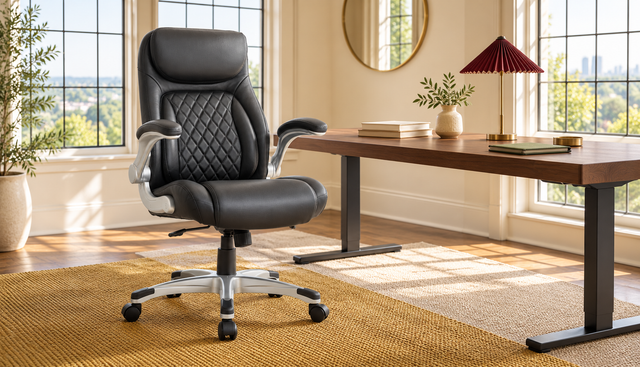
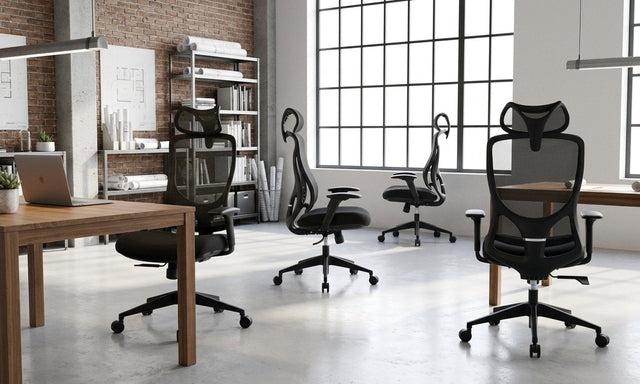
- Workplace needs: If it will sit in an office, consider appearance, noise level, and seating posture.
- Brand fit: If you are exploring Nouhaus or a chill chair smart massage office chair, compare how each option supports both comfort and your room or office setup.
Avoid buying only because a chair is marketed as premium or feature-packed. A simpler electric massage chair that you enjoy every day may be more valuable than a complex one you rarely use.
Safe daily use starts with moderation
Daily use can be comfortable for many people, but moderation matters. Start with shorter sessions and pay attention to how your body feels afterward. If an area feels sore, bruised, numb, or irritated, reduce the intensity, change the program, or take a break.
People with certain health conditions, recent injuries, chronic pain, circulation concerns, pregnancy, implanted medical devices, or post-surgical recovery needs should ask a qualified healthcare professional before using a massage chair regularly. The goal is to support comfort, not push through warning signs.
A few practical habits can make daily use more enjoyable:
- Keep sessions within the chair manufacturer’s recommended time.
- Avoid using the strongest setting every day just because it is available.
- Sit in the chair properly so the massage points align with your body.
- Stop if you feel sharp pain, dizziness, tingling, or unusual discomfort.
- Clean and maintain the chair according to its care instructions.
The right routine should leave you feeling relaxed and refreshed, not overstimulated or sore.
A daily massage chair habit should fit your life
The real benefit of using a massage chair daily is not luxury for its own sake. It is the ability to build recovery into normal life. Whether you use it after work, between meetings, following a workout, or as part of your evening routine, the chair gives you a consistent place to relax and reset.
If you are comparing options, think beyond the idea of the best massage chair in general and focus on the best chair for your daily habits. A good choice should feel comfortable, be easy to use, and support the way you live and work. With a thoughtful routine, a massage chair can become a practical part of everyday self-care rather than something you only use when tension builds up.