


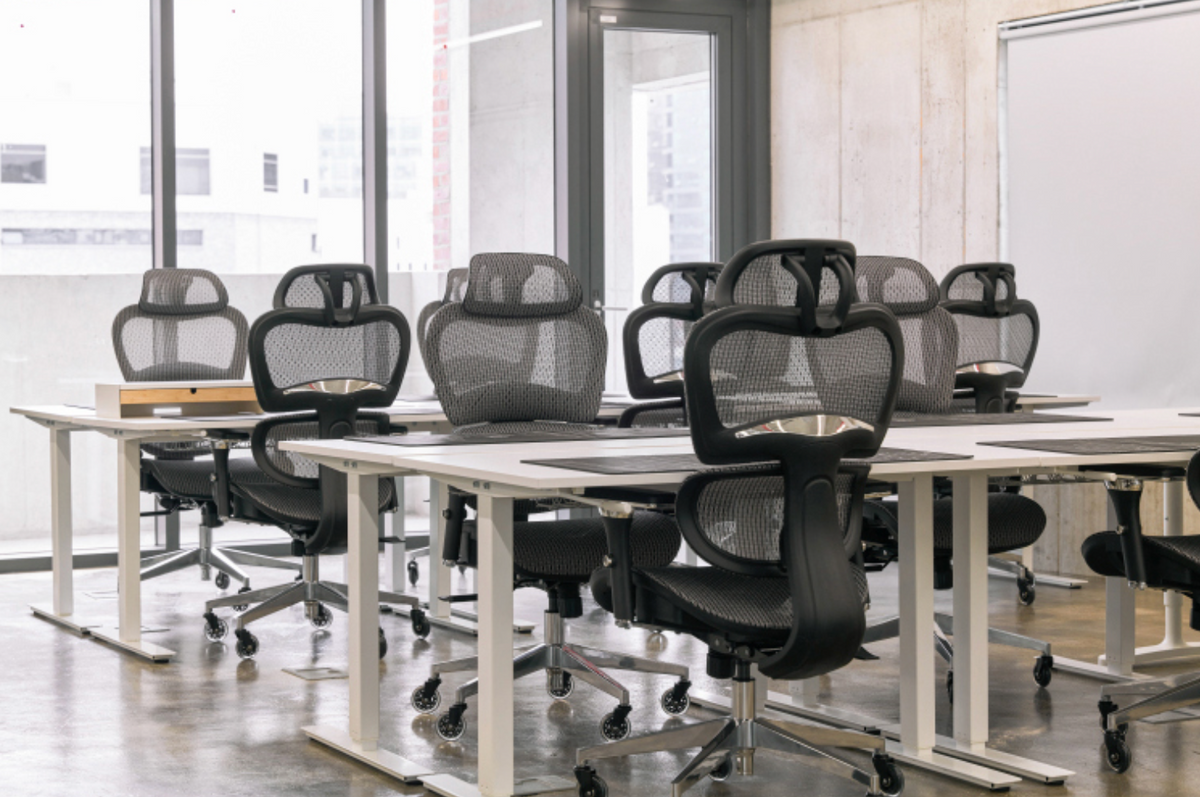
The Ultimate Ergonomic Office Chair Buying Guide: How to Choose the Best Ergonomic Office Chair for Your Workspace
In modern office spaces, a comfortable office chair is no longer just a simple piece of furniture, but an important investment in your health, productivity, and long-term well-being. Faced with a dazzling array of ergonomic features, from an adjustable office chair lumbar support to different seat cushion materials, the search for the best office chair can sometimes feel overwhelming. This comprehensive guide breaks down the core functions of ergonomic office chairs and compares different configurations and use cases to help you make the most informed choice.
1. Headrest and Backrest Adjustability
The Feature: A professional ergonomic chair should offer independent adjustability for both the headrest (height and angle) and the backrest.
The Scenario:
-
Highly Adjustable Headrests: Ideal for taller users or those who suffer from cervical strain. It provides crucial support when leaning back to think or take phone calls.
-
Adjustable Backrest (Height): Ensures that the curvature of the chair perfectly aligns with your unique spine shape, regardless of your torso length.

The Feature: The lower back carries the most weight when sitting. Look for chairs with dynamic or depth-adjustable lumbar support.
The Scenario: If you are looking for the best office chair for back pain, a fixed backrest simply won't suffice. An adjustable office chair lumbar support pushes exactly into the natural inward curve of your lower back (the lordotic curve), preventing slouching and reducing the risk of chronic back pain.

The Feature: The ability to tilt and lock the backrest at various angles (typically between 90° and 135°).
The Scenario:
-
90° to 100°: Best for intense focus, typing, and active desk work.
-
110° to 120°: Ideal for reading, attending virtual meetings, or consuming content, making it a crucial feature for the best office chair for long hours.
-
130°+: Perfect for taking a quick power nap or fully relaxing during a lunch break.

4. Seat Cushion Material: High-Density Sponge vs. Mesh vs. Leathe
Choosing the right seat cushion is highly subjective and depends on your environment and sitting habits. Whether you prefer a breathable mesh office chair or a premium leather office chair, here is a quick comparison:
| Feature | High-Density Sponge (Foam) | Breathable Mesh | Premium Leather |
| Feel & Support | Plush, enveloping comfort. Relieves pressure points under the thighs. | Firm, highly responsive support. Promotes a "floating" feel. | Luxurious and smooth. Offers a firm yet plush "executive" feel. |
| Temperature | Retains heat. Great for air-conditioned offices or colder climates. | Ultimate airflow. Prevents sweating during long sessions. | Absorbs ambient temp. Can run warm in summer and cool in winter. |
| Durability & Care | Premium foam retains shape for years but is harder to clean if stained. | High-quality mesh resists sagging, but dust can settle in the weave. | Highly durable and spill-resistant. Easiest to wipe clean. |
| Best For | Users who prefer a cozy feel and sit in cooler environments. | Users who run hot, live in warm climates, or sit for 8+ hours. | Executives, climate-controlled home offices, and those prioritizing aesthetics and easy maintenance. |
5. Silent Casters (Office Chair Wheels For Hardwood Floors)
The Feature: Polyurethane (PU) coated or specialized silent casters designed to roll smoothly without noise.
The Scenario: Hard plastic wheels are fine for thick carpets, but if you need a desk chair with wheels, standard options can scratch hardwood floors and create a disruptive echoing sound in a quiet home office or open-plan workspace. PU silent casters glide effortlessly, serving as the ideal office chair wheels for hardwood floors to protect your surfaces from scratches and ensure your late-night work sessions won't disturb your family or colleagues.
6. 3D and 4D Armrests: Customizing Your Arm Support
The Feature: Standard office chairs often only offer basic height adjustment (1D). Advanced ergonomic chairs, however, feature 3D or 4D armrests. "3D" typically means the armrests can adjust up/down, forward/backward, and pivot inward/outward. "4D" adds a fourth dimension: sliding left and right to adjust the overall width.
The Scenario: Floating or unsupported elbows force your neck and shoulder muscles to bear the weight of your arms, leading to severe tension.
-
Up/Down: Aligns the armrests with your desk height, preventing you from shrugging your shoulders.
-
Forward/Backward: Allows you to pull the chair closer to your desk without the front of the armrests bumping into the desk edge.
-
Pivot (Angle In/Out): Crucial for modern work habits. Pivoting the armrests inward provides perfect forearm support when typing on a compact keyboard, texting on your phone, or playing mobile games.
-
Left/Right Width (4D only): Accommodates broader or narrower shoulders. It ensures your arms can fall naturally by your sides rather than forcing you to splay them outward or squeeze them inward.
While there is no single chair that works for everyone, there is a best comfortable office chair that is perfect for you. By understanding the specific roles of the headrest, lumbar support, recline angles, cushion materials, casters, and armrests you can tailor your workspace to your body's exact needs. Investing in the best ergonomic office chair is not just about avoiding back pain—it’s about empowering yourself to work, think, and create at your absolute best.